
H4W1G1
2–6 GHz, 7 W, 26 dB Gain, GaN MMIC PA in QFN Package
Description
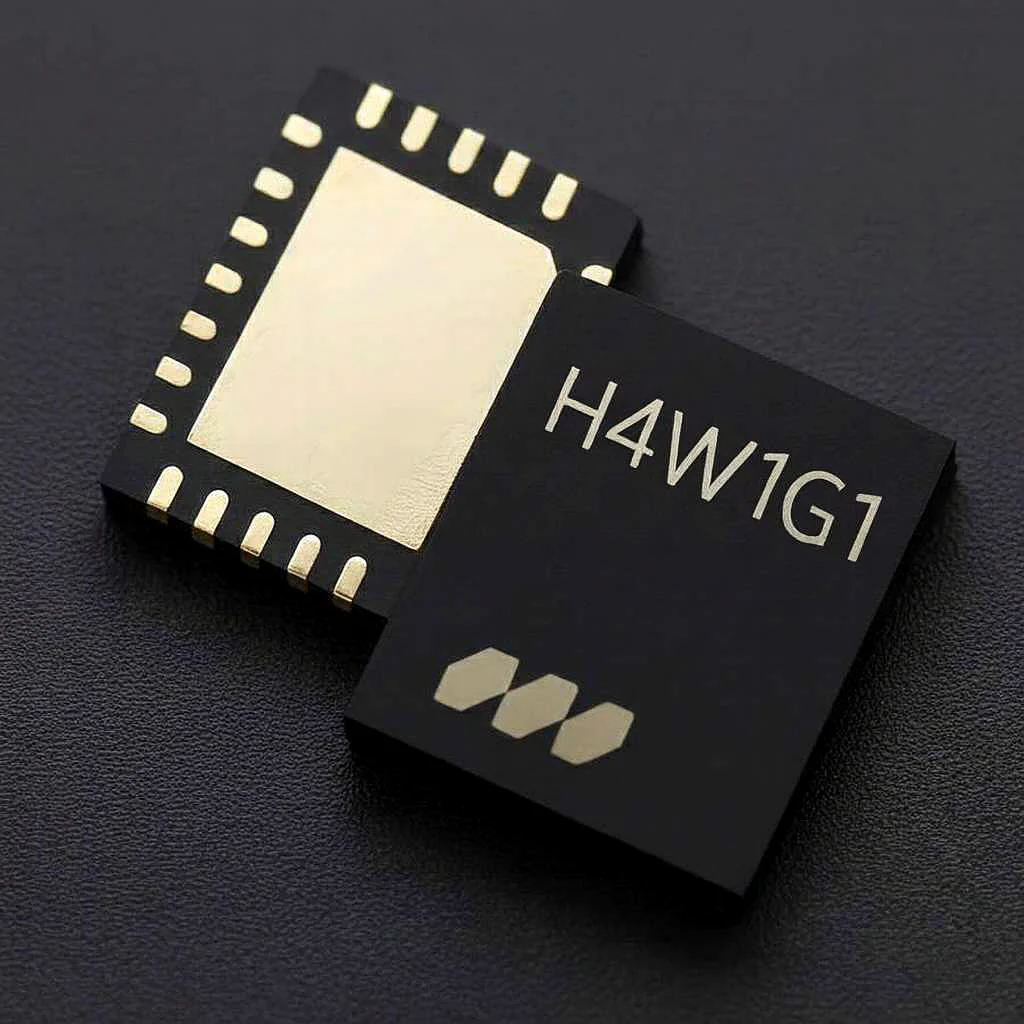
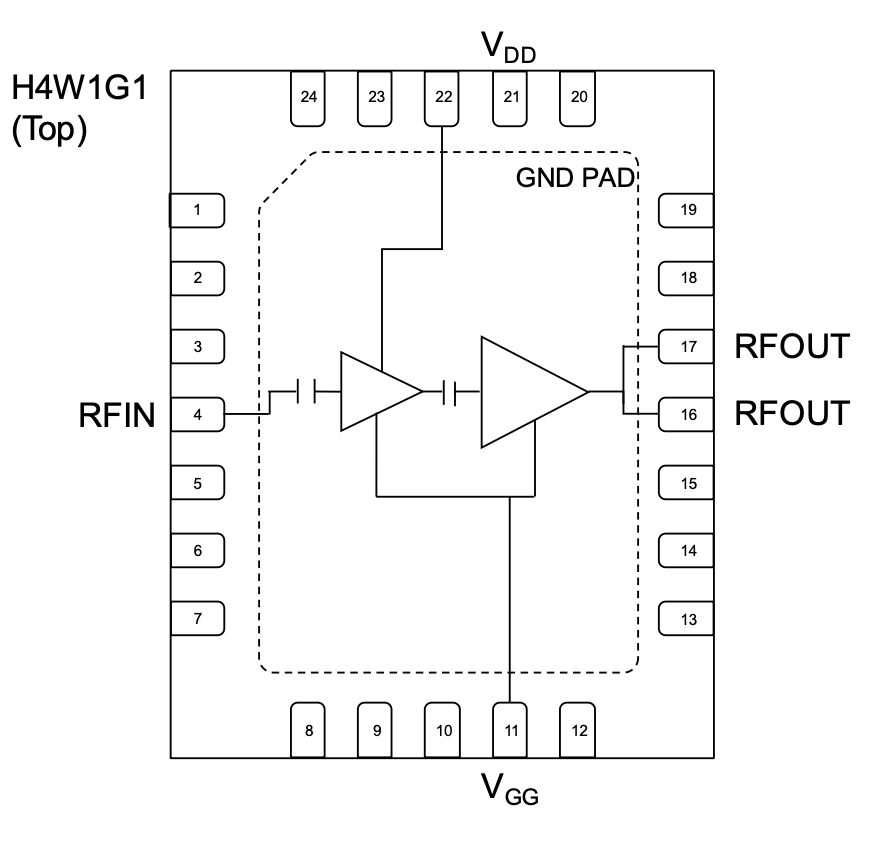
The H4W1G1 is a multi-stage GaN MMIC power amplifier delivering 7.2 W of RF output power across 2–6 GHz with 26 dB small signal gain and 36% peak PAE. It integrates 50 Ω matched I/O, single-supply bias, and ESD protection in a compact 4 × 5 mm QFN package. No external matching is required.
Features
- 26 dB Small Signal Gain with ±1 dB flatness
- 38.6 dBm output power
- 36% peak PAE
- Unconditional RF stability from DC to 20 GHz
- 50 Ω matched at input and output — no external matching required
- Single VGG and VDD supply pins for all transistor stages
- ESD protection
Applications
- Defence Applications (Radar, UAV)
- Satellite Communications
- Electronic Warfare
- Industrial and Scientific Systems
- Deep Space Applications

Join the Millibeam Revolution
Join our newsletter to stay up to date on features and releases.
Acknowledgment of Country - MILLIBEAM acknowledges the Traditional Custodians of the lands throughout Australia where we live and work today. We celebrate the diversity of Aboriginal peoples and their ongoing cultures and connections to land, sea and community. We pay our respects to the Elders both past and present and extend that respect to all Aboriginal and Torres Strait Islander peoples today.
